
The GTM Podcast is available on any major directory, including:
Ed Sim has been a VC for 30 years. He’s backed companies like Clay, Front, BigID, and Snyk. He writes What’s Hot in Enterprise IT every single Saturday, 489 weeks in a row. And right now, he says this is the most exciting and terrifying moment he’s ever seen in his career.
In this episode, Max and Ed break down what’s actually happening inside startups and boards right now, why the old playbooks are dead, and what separates the companies that will survive this AI shift from the ones quietly getting killed by it.
Discussed in this episode
- Why engineering is no longer your bottleneck (and what is)
- The 5 P’s Ed uses to evaluate every inception-stage investment
- The autonomous enterprise thesis and what it means for how companies are built
- Why AI-native leadership is now a survival reqxtuirement, not a nice to have
- The full Clay story: $600K to $100M ARR, how they stayed lean, and what actually unlocked growth
- The 3 CH’s framework for being a great board partner to founders
- Why the best founders today are inside the AI jet stream, not chasing it
- What every board meeting sounds like right now
Episode highlights
01:05 – Episode Preview: Ed Sim & Key Takeaways
03:10 – The Jet Stream Analogy: Two Types of Companies
05:43 – How GTM Operators Should Evaluate Companies Like Angel Investors
07:20 – The Collapsing of Moats & AI-Native Business Opportunities
10:00 – Rebuilding Industries vs. Selling Software to Them
15:00 – Why Old GTM Playbooks Are Dead
17:46 – Ed Sim’s Background: From Cutco to 30 Years in VC
21:43 – The Five P’s of Inception Investing
23:04 – How to Evaluate Potential & TAM in a Fast-Changing Market
25:40 – Staying Ahead of the Jet Stream as a Founder
26:32 – The Autonomous Enterprise Thesis
28:44 – Agent of the Week: How Companies Should Adopt AI Agents
29:10 – How Agents Are Changing Engineering Bottlenecks
31:15 – What Incumbents Must Do to Survive the AI Wave
32:53 – Intercom, Snowflake & How Legacy Companies Are Adapting
36:43 – The Clay Story: How They Found Their Footing
38:33 – The Three C’s of Working With Founders (Cheer, Challenge, Chill)
40:07 – Clay’s Growth Trajectory: $600K to $100M+ ARR
41:10 – Clay’s Agency GTM Model & Community Moat
43:50 – Ed’s Fund Model: $500K to $15M Checks at Inception
46:57 – What’s Hot in Enterprise IT & Venture Right Now
Key takeaways
1. If you’re waiting for a ticket, you’ve already failed your customer.
By the time a customer inbounds a problem, you’ve already missed a window. The best CS orgs are predictive. They identify where customers get stuck, build curated digital journeys around those moments, and intervene before the customer even knows they need help. That’s what “always on” actually means.
2. CS only drives revenue when it’s outcome-based, not relationship-based.
The old model (check-ins, QBRs, account health scores) isn’t cutting it anymore. Teresa builds attribution models that correlate specific engagement touchpoints to retention and expansion. You can’t improve what you can’t measure, and most teams aren’t measuring the right things.
3. Dynamic segmentation beats static ACV tiers every time.
Hard lines on company size or contract value lead to misallocated coverage and missed growth. The better model? A two-by-two of current spend, risk, and expansion potential that flexes every few months as customer health changes. Your best CSMs should be matched to the accounts with the most upside, not just the biggest logos.
4. Don’t just treat retention as a CS swim lane.
Teresa runs a monthly cross-functional meeting with product, marketing, sales, and support to action NPS insights together. The inner loop closes individual feedback fast. The outer loop informs strategy. Most companies say retention is everyone’s job. Few actually set it up that way.
5. Start at the end of the renewal cycle, not the beginning.
When building a digital CS motion from scratch, Teresa starts with win-back and renewal, not onboarding. That’s where you can show near-term impact, identify churn culprits, and build the playbooks that eventually get you to a proactive, full-lifecycle motion. Crawl, walk, run.
Thank you to our sponsor: AngelList
From starting as a small, operator-led rolling fund, to evolving to an institutional platform, AngelList has been a core partner in every phase of GTMfund’s growth. Their software-first fund admin infrastructure allowed us to scale without sacrificing agility — from onboarding hundreds of LPs seamlessly to handling compliance, capital calls, and reporting as our fund size evolved.
As we expanded from Fund I to Fund II, AngelList took care of the back-office operations, allowing us to stay focused on what matters most: investing in world-class founders and building the strongest go-to-market network in venture.
They’ve scaled with us across funds and into the future.
If your fund is growing in size or complexity, check them out at https://angellist.com/gtmfund.
Follow Ed Sim
- LinkedIn: https://www.linkedin.com/in/edsim
- X (Twitter): https://x.com/edsim
- boldstart ventures’ LinkedIn: https://www.linkedin.com/company/boldstart-ventures
- boldstart ventures’ website: https://boldstart.vc
Follow Max Altschuler and Paul Irving
- Max Altschuler on LinkedIn: https://www.linkedin.com/in/maxaltschuler
- Max Altschuler on X (Twitter): https://x.com/HackItMax
- Paul Irving on LinkedIn: https://www.linkedin.com/in/paulsirving
- Paul Irving on X: https://x.com/PaulGTM
- Newsletter: https://thegtmnewsletter.substack.com
Where to Find GTMnow
- Website: https://gtmnow.com
- LinkedIn: https://www.linkedin.com/company/gtmnow
- X (Twitter): https://x.com/GTMnow_
- YouTube: https://www.youtube.com/@GTM_now
- Podcast Directory: https://gtmnow.com/tag/podcast
The GTMnow Podcast shares how the best in tech build, scale and invest.
Visit gtmnow.com for more episodes, The GTMnow Newsletter editions, and other content.
GTMnow is run by GTMfund, an early-stage venture firm made up of 350+ go-to-market executives from the fastest-growing companies.
VC 7: Episode Transcript
00:00 – 00:22
Max: Welcome back to another episode of the GtlM Fund special edition podcast we’ve got for you. This is our bonus podcast on GtlM now, and we are here with Ed SIM today. But first you’ve got Paul Irving, my general partner. Congratulations. I think first episode with the new promotion. How’s it feel?
00:22 – 00:39
Paul: Thank you. Thank you sir. It feels great. Got a lot of wonderful notes back from our founders, investors, people. We work closely with. I don’t know if this is a good or a bad thing, but 24 hours later, somebody on a zoom meeting said, congratulations to me, and I totally forgot what they were referencing. So back to work and back to building as it always is.
00:39 – 00:47
Paul: But it was a fun one to be able to announce. And obviously we talk about it all the time, but never been more bullish in what we’re building together at GTN. Fun.
00:47 – 01:16
Max: I think when you don’t know what the congrats is for, it just means that there’s so many good things happening all at the same time. That’s a plus. We got Ed on the show today. I thought it was a phenomenal episode. Certainly one of our better ones. Ed’s a legend. Been in quite a few investments. We talk about the five P’s and three catches, and this is one of those episodes where I actually thought that I learned a lot personally, and like some things that were even going to change in our fund, which I really enjoyed.
01:16 – 01:38
Max: It’s another one of those episodes where I also said to myself, every GTM leader, everybody in tech even should listen to these episodes so they could understand how investors are thinking about markets. Like, if I was a CRO right now or a VP demand gen, and I was like, oh, I want to go pick my head up and find my next role in my career.
01:38 – 01:58
Max: You should want to go where a lot of very savvy VCs have been thinking about where the ball is going, like your career is being like a VC, like your time is equity. You’re investing with your time. So you should go to the best possible company. You go to where your time is going to be worth the most amount of money in the form of your equity, and you should start maybe in a space that is exploding.
01:58 – 02:11
Max: And he kind of goes into this jet stream analogy, which I thought was pretty good around that. So yeah, I mean, what were some of your key insights out of the episode? I think, you know, the Jet Stream one was a specifically it resonated with you quite a bit, right?
02:11 – 02:37
Paul: It did. And I’ll jump into the jet stream analogy because I thought it was a great way to look at especially companies today in an AI native world. But to your point on operators, we’ve got a bunch of incredible, you know, GTM executives and operators in our network and the ones that repeatedly choose the best companies time and time again are people that look at it from the framework which you mentioned, which is almost an angel investment framework, and you still do the diligence you should do as an operator in any function.
02:37 – 02:52
Paul: If it’s sales, you want to look at pipeline, you want to look at close rates, you want to look at the rev up stack. You want to talk to some of the ICS within the organization to get a feel for, hey, can I run this go to market org? And you know, can I meaningfully uplevel what they’re executing here.
02:52 – 03:09
Paul: But then you almost want to step back and look at it as if you’re an angel investor, which I think brings into a number of other layers that are not just go to market oriented and can I sell this product and do I think it’s a cool customer experience and the customers like it, but what does this market look like?
03:09 – 03:27
Paul: How competitive is it? What are the exit opportunities look like? Who are the investors and then what does the next round look like if we’re successful and when does it happen? The same exercise we would go through as an investor would be such a valuable one for operators or even higher level ICS to do the same on their side when they’re they’re deciding where to go next in their careers.
03:27 – 03:51
Paul: This is probably a question I would add to my analysis, which was a framework that Ed mentioned and agreed this was a fantastic episode. Was the jet stream analogy where there’s two types of companies. There’s a company, a you’re building a deep technical product, maybe a non consensus thesis. In every startup you have to move quickly the speed of light these days and you have to build.
03:51 – 04:12
Paul: But there is almost some aspect of time for you to build that product and figure it out. And then there’s other ones where you know, you are dropping straight into the jet stream, which is it is consensus. The foundation model companies are frontier. Model companies are building in that direction. You know that the demand is there. You know that if you capture it, you can hockey stick in the right direction.
04:12 – 04:31
Paul: But the challenge then becomes, how do you keep up with the jet stream? How do you stay on the front edge? And so these are the replit and lovable and cursors of the world, makers of the world. The best founders and teams know how to stay ahead of the jet stream, but you should go into it whether you’re joining a company or you’re investor looking at a company, understanding which you are.
04:31 – 04:48
Paul: I don’t think there’s a right or wrong answer. Like some people will say, never put yourself in front of the jet stream. There’s a lot of iconic, incredible companies that are being built right now that are putting themselves in front of the jet stream. The only mistake I believe you can make with that is not knowing whether which company you are.
04:48 – 04:59
Paul: You have to know if you are putting yourself in front of the jet stream and you have to operate and execute everything across your business along that principle. And if you’re not, you know you’re going to build your company the timeline in which you do it, the people that you hire, it’s going to look a little bit different to.
05:00 – 05:19
Max: Yeah, you know, I had a journeyman crew say to me maybe two weeks ago, now, you know, I’m on my whatever, 10th start up, third crew had a sales role and you just have like, just haven’t got my big payday yet. And I’ve watched a lot of friends get paid and, you know, whatever over the years. And it’s been frustrating.
05:19 – 05:37
Max: And I actually think that they’re pretty talented. And, you know, the funny thing that they said to me after that was like, it’s a bummer because if I just like gone and taken a nice role that anthropic three years ago, I probably would make more money my entire career than like everything else that I’ve done so far. And it’s just, yes, it takes a little bit of luck.
05:37 – 05:57
Max: Like if you had had the foresight that that would be the company then. Sure. Like then you know, you’ve earned it. But I do think you can get more, I’d say methodical about how you choose great companies and great spaces to go work in. I think at the end of the day, the old ax expression from Abraham Lincoln, writer I think for me, everybody associates that Mark Twain and who knows?
05:57 – 06:14
Max: But if you give me six hours to chop down a tree, you know, I’ll spend five hours sharpening the ax and one hour chop down the tree. I think when you’re sizing up what you should do in your career as an executive, you should be thinking like a VC. And so, yeah, you should be partnering with those founders who are in that jet stream.
06:14 – 06:41
Max: I think, you know, one of the things we’re seeing right now also is this collapsing of moats. Many of you talk a lot about that. You know, we talked about what still counts when it comes to moats. And he said that finding a domain complexity that cannot be collapsed into a simple skill that dovetails into some other topics you and I have been talking about for a while now, which is, you know, where are the big opportunities?
06:41 – 07:00
Max: And, you know, instead of just being in this world where I think for the, you know, 20 tens, you just see, like the 10th marketing automation company, HubSpot competitor, okay, like, what do you do better? So oh, or like, you know, cheaper, faster. I like what like what do you do? I go vertical focused. Okay great. But like how are you vertical.
07:00 – 07:26
Max: Well we do this. We have a couple special API integrations with, you know, players in the prop tech space. So like we’re just easier to use and connect to a lot of the other stuff that they use and say, oh, okay. And now you’re seeing what I can really impact is like instead of going into a vertical, an industry and supporting them with software, you can almost like rebuild the industry, which I like.
07:26 – 07:43
Max: It’s a complete reimagining and rebuilding. And he touches on that, you know, with us in the episode. But we’ve been talking about that for a while. And then the C 26 batch just came out. And if you look at that batch, you look at the themes that are in there. You’re starting to see kind of the emergence of that.
07:43 – 07:58
Max: How do we go into health care? How do we go into petrochemical or nuclear space and not just build software for these industries, for the companies that exist in them, like create the industry, rebuild the industry?
07:58 – 08:33
Paul: It’s a completely new change of perspective, which I think is a exciting one to a degree that I don’t know if we’ve ever seen yet in technology where and you’ve even if you look at software historically over the last ten years, so many of the even very successful companies built for other software companies problems. And you would see I never really of different verticals, really strong products companies, some companies who have gone public are almost there, but they are, for the most part selling to other technology companies, and they’re very successful at it.
08:33 – 08:52
Paul: But crossing the chasm into other industries is difficult in the ambition of founders. We’re seeing today in the early stage and you see it. Why C is always a perfect microcosm of this is you get some of the youngest, smartest, most ambitious people. What are they thinking about and what do they believe they can build, you know, and what is their future look like.
08:52 – 09:10
Paul: And you’re starting to get things that look less and less like a traditional software company. And more and more like AI native business opportunities, if you want to call them that. So instead of hey, here’s software to or help with the discovery of mining and minerals, we can do an end to end uranium discovery platform. And we’re using technology.
09:10 – 09:32
Paul: We built proprietary in-house models to be able to execute on that vision. But at the end of the day, we look like a technology native, AI native, integrated version of that business where we’re not just selling technology to those end users within that vertical, but we’re able to execute for year end customers and take a huge swath of that workflow and value chain underneath their umbrella.
09:32 – 09:54
Max: It is the work it is. In the past, you would see a company that’s like, we’re building voice and dialer and dashboarding for call centers. Okay, so by our software, we have a thousand call center reps. Rep sits in the seat, uses your software. It’s the phones now. It’s I call center worker. The agent calls managers the entire thing.
09:54 – 10:09
Max: Right. Like end to end. There’s AI mortgage brokers like end to end essentially. And I do think there will certainly be some of these things that are like, well, as long as there’s a human on the other side, they’ll, you know, a human may always want to have that conversation. And there are other things that we’ve said for a long time.
10:09 – 10:23
Max: Why does a human need to be involved in this? Like, why am I spending so much money on human here? And a good example that might be legal docs for certain things, right? I think there are certain things you definitely want a lawyer for, and you want to be able to speak to a person. You want to be able to understand kind of the nuances of the situation.
10:23 – 10:39
Max: And there are other things where I was like, I have to pay you like $1,500 just to give me this, like boilerplate document with a bunch of my stuff filled in on it that you do for everybody else all the time. Like, this is standard practice. Let me just get that. But I think that’s what’s happening, you know, across the board and in like in kind of the simplest terms.
10:39 – 10:55
Max: And we’re seeing it in a lot of different industries and it’s, you know, fascinating ones. You just need mining, space, robotics. So what else did you see? What else stuck out to you from kind of the wiki batch and you know, from a market standpoint, you know, how are you seeing that play out across, you know, kind of the rest of the ecosystem?
10:55 – 11:28
Paul: Yeah. There’s a couple interesting. There was maybe a few less surprising demographics from the wiki batch, you know, a year ago. Maybe the speed in which we got here is fascinating. But a year ago it was sort of copilot for everything 18 months ago. And now it’s just fully agenda doing the workflows end to end. Not surprising, but just interesting to see the level of penetration, the interesting stuff I wasn’t necessarily expecting going into it was health care being the biggest vertical 22 companies total, obviously one of the largest areas of spend in the US economy and global economy, a heavily regulated industry.
11:28 – 11:47
Paul: So I think part of the thesis there is if you can build the dollars in the budget, are there the impact you can have on people, communities, you know, the world at large. If you build a, you know, a gigantic health care company that allows, you know, emergency rooms to operate more efficiency or the doctors or nurses within them, that’s really impactful.
11:47 – 12:10
Paul: But it’s also defensible. There’s data, there’s workflow, there’s compliance and regulatory guardrails in place. So not surprised to see more companies. But the extent of them was interesting physical I which you mentioned, you know robotics, mining, agriculture warehousing. And then the last sort of two things that stood out to me was rethinking the internet for an agent economy.
12:10 – 12:43
Paul: So many old platforms were about human access, human to human payments, but facilitated through software or through the web software monitoring for human behavior and activity. But when so many of these functions are done by agents, you now need agent identity verification. You need agent security agent to agent payments and billing agent monitoring. If you start to look at just how much of the web is going to change, and commerce that exists across technology platforms is going to change and it’s going to be fully agent, then you would rebuild so many primitives.
12:43 – 12:59
Paul: There’s a bunch of infrastructure companies there. And then the last bucket was just solo founders. I think for a while people have talked about the one person or two person billion dollar company. There was 27, I believe, solo founders in the whiskey batch, one of the highest in a long time. And I think you’re starting to see that principle play out or people are going for it.
12:59 – 13:07
Paul: You know, they’re going to build their teams to execute. But there seems to be less, you know, deference to, I need to find a co-founder than there was historically.
13:07 – 13:32
Max: That’s a perfect segue into the show. Today’s guest is Ed SIM, as we mentioned, has been investing for 30 years, and he’s been doing a lot of cybersecurity and enterprise investments. He’s in sneak peak ID customer Clay early in his career, live person and go to meeting without any further delay. Let’s get in this show with Ed SIM, founder and general partner at Bold Start.
13:32 – 13:44
Max: All right. Welcome back to another episode of the VC Special Edition podcast we do here on GTM. Now today I’m joined by Ed SIM, founder and GP at bold Start. Ed, how are you doing?
13:44 – 13:45
Ed Sim: Good. Thanks for having me.
13:45 – 14:05
Max: Yeah, definitely. Somebody I followed for a very long time must follow on Twitter a common theme here with a bunch of these episodes. But at Ed SIM, nice and easy for everyone, and also writes a weekly newsletter called What’s Hot in Enterprise. It 489 weeks in a row is that right?
14:05 – 14:18
Ed Sim: Yeah. Consistency. You know, every Saturday morning I pump it out and it’s, helps me synthesize kind of what’s in my brain and what we’re seeing. And frankly, I think we’re seeing way too much right now. Max, what about you? I just yeah, something we can talk about later.
14:18 – 14:30
Max: Good writing leads to clear thinking, so I appreciate you sharing it with the world. You know, first and foremost, but also, yeah, it’s something I’d say not as in-depth as you, but something I try to do every week is.
14:30 – 14:46
Ed Sim: Yeah, I love your newsletter, but I do like you have great comments and great interviewers, interviewees and, lots of good aspects, I think, on GTM because I think, as you point out and as I think about it too, the playbooks of yesterday are scrapped. Yeah. And right now I think you just have to learn from what everyone else is doing.
14:46 – 14:49
Ed Sim: And also I think you have to have your own twist.
14:49 – 15:18
Max: Definitely. It’s, you know, kind of like everything else in AI these days, changing week to week. And it’s certainly hard to keep up the beautiful thing. And you probably seen this yourself and doing this for 16 years plus. But you know, when you work with founders, you work with kind of the best and brightest people, and they’re all tinkerers. And so, you know, we’re able to bring kind of our tried and true playbooks and even some new things to the table with them. And then it’s amazing how they take it and run with it. And then we almost like end up learning more from them. And then we were able to bring that back to the rest of the portfolio.
15:18 – 15:25
Max: And so it’s kind of this beautiful flywheel. Do you see kind of the same way with you guys? And even if it’s not GTM, it’s just, you know, other things that you pick up along the way.
15:26 – 15:42
Ed Sim: Oh, 1,000%. And part of just throwing what I see and what we talk about, you know, behind closed doors, I won’t share names, you know, on board meetings or with founders or in pitches. It’s to kind of just draw that out, to maybe start that discussion because, hey, none of us know everything, right? And just it’s important to hear what else people are talking about.
15:42 – 15:56
Ed Sim: And, you know, the people that I’m sure subscribe to our newsletter and mine are craftsman, right? They want to spend time trying to get better, what they do, which is why I send it out Saturday morning if you’re interested. It’s already a signal that that you’re reading it, that you care deeply about kind of what you’re doing and you love what you’re doing.
15:56 – 16:32
Max: Our thoughts are similar to ours, goes out Friday and it’s like, this is weekend reading material. Like, if you’re the best of the best, you’re going to sit down sometime in the next 48 hours and dig into this and, you know, journal on it or bring it to your team or share it around. And, you know, those are the people you want to surround yourself with, especially is, you know, an up and comer and in the industry. And I think everybody’s a student of the game at all times. I get it. You know, and especially in this, I kind of I wave or era, whatever you want to call it, that we’re in. You have to be a student of the game. I mean, things are just changing so fast, right? It’s there’s I wouldn’t say there’s any gurus or anybody who’s super knowledgeable in this area.
16:32 – 16:39
Max: There’s just like, you know, that knows it all because the next week, the next thing comes out and it’s like, oh, I gotta go learn something new.
16:39 – 16:39
Ed Sim: Absolutely.
16:39 – 16:48
Max: Yeah. So we’ll start with a little bit of your background. So, cutco sales rep love that. Into investors banging into VC. Give us a little backstory.
16:48 – 17:21
Ed Sim: Yeah. Look, I, my parents are immigrants from Korea, and I came with kind of just a trunk and my brother and grew up in Maryland and was always scraping by. My parents taught the value of education. Being in Baltimore, one of the things that I found out was that lacrosse was a very popular sport. So I started playing that when I was very young, and it helped me get recruited into college, you know, along with having good grades. So I end up at Harvard and playing lacrosse team. All four years were number three in the country, by the way, my freshman year, they’re they’re actually number four this year in the country right now. They beat you so that that’s kind of cool. But but the point is when I was there, I got exposed to a lot more than just kind of my small world in Baltimore.
17:21 – 17:54
Ed Sim: And one of the coolest things was having career days during, you know, every year. And a friend of mine’s brother came up and showed up and talked about this thing called venture capital. And explain to us what it was. And the idea was that, hey, there’s a founder with a dream and an idea, and they can’t get capital, and you believe in them, you give them capital. And you know, the interesting part was that you could either be a founder yourself, but that’s a lot of risk, or you could spread it across kind of, you know, many different companies and perhaps, you know, get involved where you could, you know, in terms of helping them out. But at the same time, it’s you’re not tied to one thing forever and ever.
17:54 – 18:04
Ed Sim: And that kind of really appealed to me. And so that’s kind of how I learned about VC, was back in the early 90s. And, and I’ve been a VC for 30 years, believe it or not. So happy to dive in more about how I ended up there.
18:04 – 18:08
Max: Yes, sir. During investment banking previous to.
18:08 – 18:50
Ed Sim: It was it was investment management. We were I was on it. I was on the derivatives side of JP Morgan. So just basic job in the city. We’re managing, you know, $20 billion using futures and options. And we created well, I wasn’t on creating it, but I was the one building spreadsheets, all day long and basically using this risk premium model to allocate assets between different countries based on kind of the difference in returns and stocks and equity and fixed income and things like that. And what you do is when you’re in spreadsheets like that, you learn how to code. So I learned Visual Basic, and then I started downloading, mosaic browser and 95, which was the precursor Netscape. And I was like, wow, okay, I think I can get to this venture capital thing because this internet thing is going to be really big.
18:50 – 19:25
Ed Sim: And now it’s 90, 95, 96. And I ended up getting a job in VC in early 96 at a small firm in New York that was backed by the New York City government to build New York into a high tech sector. You know, kind of that’s what they called it back then. In 98, I started a fund with a guy named Bob Larsen, who was vice chairman of Smith Barney and the idea then was to bring a Silicon Valley approach to investing to New York, which meant focusing on product market opportunity and the future versus looking at spreadsheets. And that was kind of a big difference. And so from then on, I’ve been doing the same thing since 96. So 30 years now.
19:25 – 19:50
Max: Yeah. You know, I saw from a background or you’re investor in live person and go to meeting, which was kind of like a couple of years ago. And then and you know, front big ID customer sneak and a couple others that were kind of in plus called 2010 to 2020. And now you’re investing obviously in net new companies now like what have you seen. What are the common threads that are like tried and trued that at last that entire, you know, 30 years of investing and obviously what’s changed a lot.
19:50 – 20:27
Ed Sim: When I first started investing people, I said it was about the people. And I you know, obviously when people say that you don’t know what it means is that there isn’t a is it kind of what they look like. I mean, you just don’t know what it means. And I think for me, it’s always starts with the people, particularly because when I’ve invested, it’s always been in ideas. And they had different names back then. No series A and then it became seed and there was Pre-seed, I call it inception, and we can talk about that later. But basically partnering with 2 or 1 technical founder who has a unique insight that is usually born out of pain. And because it’s born out of pain and because they’re technical, which they usually try to do, is automate that problem away, and it’s a type of founder that’s on a mission.
20:27 – 20:40
Ed Sim: They can’t stop thinking about it when they wake up in the middle of the night. When they take a shower, when they’re out, you know, kind of having dinner sometime. So they’re kind of brain’s kind of moving. And so I think for me, it starts with the people. And then I’ve kind of brought it down like I’m a frameworks kind of guy.
20:40 – 21:14
Ed Sim: And I came up with something called the five P’s for inception investing. And you know, one is the people. Two, it’s the product kind of what is that unique technical insight? What is the magic that you’re going to bring into a customer’s life that is going to basically make them ten times better with your product or solution than without it? And of course, you’ve got to address a burning pain, right? You know, people want pain killers, not vitamins. And so are you identifying a hair and fire problem that is going to endure. And you know, the bottom line, Max, is that these things don’t go in straight lines. So like we can talk about Clay later, but you know, those guys wandered around the desert for a little bit, just building product, cranking away.
21:14 – 21:32
Ed Sim: But you have to have passion because you’re going to hit hard times and what keeps you going. And it’s going to be really freaking hard. And so when you’re on a mission to kind of build something and you don’t want to quit, you want to keep going. I think that’s super, super important. And the last part, I think, which is a big question that we’ll probably hit on later, is just from an investment perspective.
21:32 – 21:46
Ed Sim: I call it the art of the possible. That’s the CFP kind of what’s the potential? I know that most things can go wrong when you invest, and the earlier you go, the more things that can go wrong. Let’s say 9999 things can go wrong. But if one thing goes right, what does it take and how big can it be?
21:46 – 21:53
Ed Sim: If that is right and you’re correct, right. And so those are the things that you kind of look at. And they vary over time. But I think that’s kind of how I think about it.
21:53 – 22:57
Max: We’re going to have some fun with Clay in a little bit. But I want to stick to that that first PE there. So in a market where things are changing, you know, weekend the weekend, how do you size up potential Tam moats, all those types of things that kind of go into potential. For example, you know, you had a tweet I think I was, still seeing too many startups that will simply be a skill in days, weeks or months. Make sure you can’t be reduced to one that feels like it fits right in that CFP. Because, you know, for a founder that you know is working on something, they’re passionate about it. They’re like, I’m going to go all in on this thing. And little do they know that cloud is doing a release next week that’s going to make it obsolete. And three other companies just raised $500 million, you know, across three rounds in one year that are winning in that space. Right? So when you’re kind of underwriting or looking at a company and they’ve got the passion, they’ve got all the other pieces. But you know, you look at this potential piece, how fast we’re moving right now in the air of factor into your judgment of, you know, that business and that potential.
22:57 – 23:32
Ed Sim: It’s a huge piece of it. That’s a huge piece of the puzzle. And look, we’re seeing more seraphs than ever before because a bard just started companies is lower. And the bar for existing companies that are already kind of incumbents or larger to add adjacent products is lower than ever before. So net net is that there’s a ton of stuff happening right now. There’s lots of noise. And there’s two ways I think about one would be we’ve always invested in deeper tactical kind of moats. And you can argue kind of how deep some of these tactical moats are. But we’ve invested in stuff like generalist AI, which were started by a guy from Boston Dynamics in two folks out of Google DeepMind to do a foundational model for robotics.
23:32 – 24:00
Ed Sim: I just did a stealth investment in the AI data center security space, which required expertise in GPUs, in networking and software and security, kind of all at once. So, you know, those types of things I think are areas that kind of we’re not getting run over today. We just announced a 57 million total round of funding. Well, two rounds from a company called surf AI, which we did with Iliad Cyber Starts and Felipe at Excel and Insane Insane Team.
24:00 – 24:18
Ed Sim: And what they’re trying to do is provide this contextual layer to connect all these different silos of data together, not just security silos, so that agents can continuously look for risk, close the gaps and help people remediate that risk. So these are some pretty big ideas. And I think that those kinds of things aren’t going to go away with this skill tomorrow, frankly.
24:18 – 24:38
Ed Sim: Right. Because it’s much more deeper tactical workflows, a deeper understanding kind of the domain. And I think it requires special founders as well. When I think about it, I was talking to my partner the other day, if you’re going to invest kind of in an area that you think could be run over in 6 to 12 months, the question then is, if you think about it, an analogy like this, imagine that I had this insane jet stream.
24:38 – 24:53
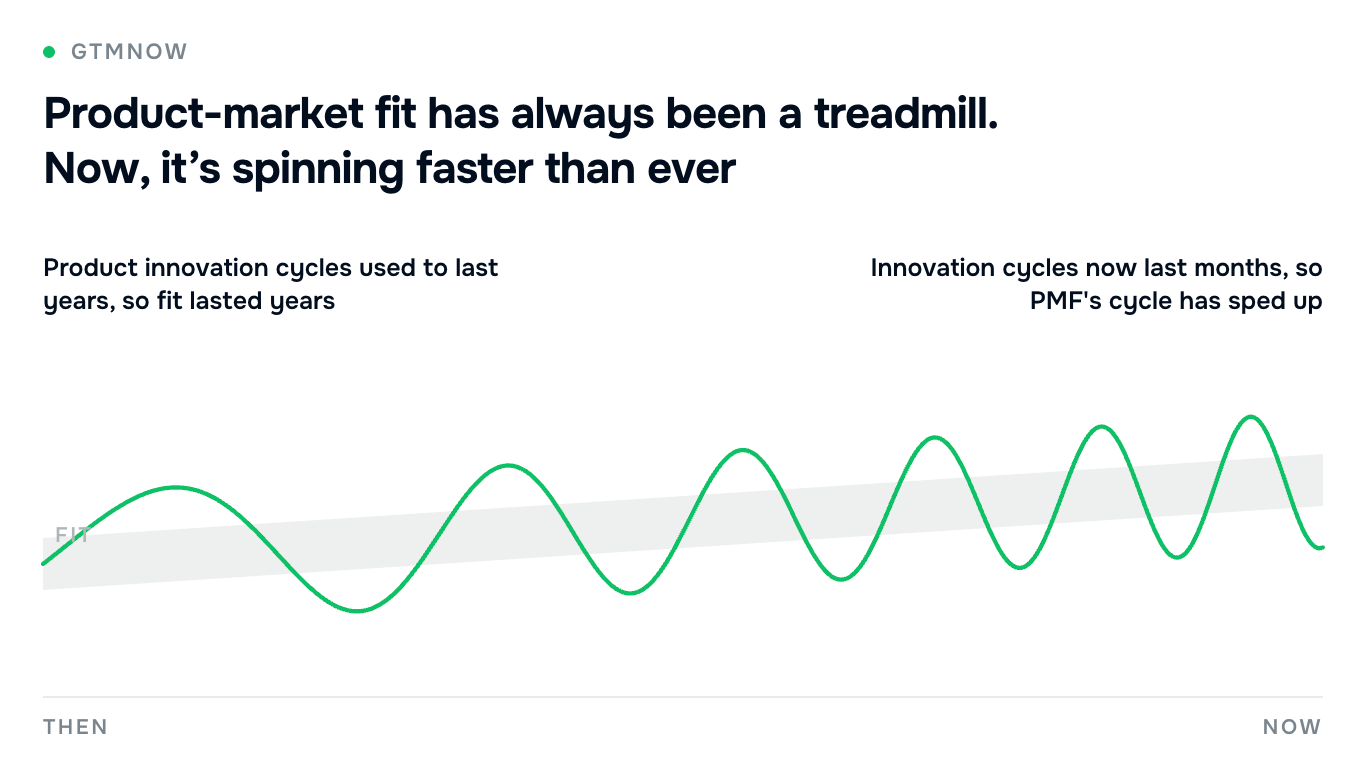
Ed Sim: You meet a founder, you drop them in the jet stream. Are they going to struggle to keep up with the jet stream? Are they going to be on that front of the jet stream, constantly shifting and adapting? Because, you know, I think most that we thought about back when I started investing 30 years ago, you’re talking about 12, 18 months to recreate software now can be days, weeks, months.
24:53 – 25:11
Ed Sim: And then ultimately over time is that if you’re a founder that you can consistently navigate and be ahead of the curve, continue to ship new product, continue, adapt, and perhaps you have different modes. I think modes are going to be different right now. It could be community modes. It could be you know, networking modes. It could be building a data flywheel from every user that you get on board to kind of build that.
25:11 – 25:26
Ed Sim: But look, at the end of the day, you got to invest in amazing people. And if you are going to get into that space, you better make sure damn all that these founder is going to be outrunning everyone. And more and more importantly, know when to get out of that jet stream. Because you know, because I think that’s that where the whole game to.
25:26 – 25:34
Max: Yeah. Are these modes and this kind of platform shift what you consider kind of the autonomous enterprise? I know you speak a lot about. Yeah. The autonomous enterprise.
25:35 – 26:00
Ed Sim: Yeah. And I kind of, you know, we’re just thinking about kind of a marketing term to kind of launch our fun seven back in July last year, and I didn’t want to use the word AI, so I just came up with this theme thing called the Autonomous Enterprise. And the idea behind that is that, you know, we all believe in wish I know backs that start a one person company that’s doing $100 million of air, and there’s just agents running around and you don’t have any other people and just say, that’s a really amazing kind of aspiration and goal.
26:00 – 26:24
Ed Sim: But when you look at the enterprise, we look at banks and JPMorgan and Citi and all those places, they’re not going to actually get to that place. However, all of the primitives to make that happen, the core infrastructure, all of that and security, thinking has to be rebuilt when you have a world where each of us has ten, 20, 100,000 agents working for us all the time, and you’re starting to see that now kind of seven months later.
26:24 – 26:45
Ed Sim: What’s it like to have agents at scale doing work all the time? You’ve got to create a new security model. We invest in a company called Key Card that I have with Andreessen, and they’re actually giving agents an own identity for their own authentication and authorization, and that stuff is given to people at runtime. It’s not forever. So for example, when we log in to Salesforce, we may have those credentials forever, but agents may just need to do a job and go away.
26:45 – 27:04
Ed Sim: But that requires a new way of building things, right? So I think that’s been another core part of the thesis, is investing in that whole underlying infrastructure around that. And and I think there’s still going to be tons of opportunity because as much as people are vibe coding things and doing other things like that, the last mile is really, really tricky to deliver these things at scale privately, securely and everything else.
27:04 – 27:09
Max: Shout out to, Amanda Robson, who I believe is in keycard with you. Yeah. Right. Okay.
27:09 – 27:10
Ed Sim: Yeah. She’s great.
27:10 – 27:51
Max: She was on the pod. Definitely check her episode out if you’re listening to this. And yeah, back to the kind of agent point that’s a super interesting use case. I think we’re kind of hitting that agent wave right now. I had another tweet of yours pulled up here. Forget employee of the month. Companies should start doing agent or skill of the week. The hardest part is not the tech. It’s helping people see what agents can actually do. So the skills make it visible. That is how organizations change. So many more ideas on how to get your agent, your org agent, red pilled. What are you seeing inside of your companies? How are people leveraging agents? And is this an area where you know you’re expecting as an investor companies to hire a lot less headcount?
27:51 – 28:04
Max: Are you expecting profitability sooner? So maybe this is like a very two part question. But as we get into the agent ification of a lot of these businesses, where do the expectations go from the investor side?
28:04 – 28:19
Ed Sim: Yeah. First I start with, the first principle. If you’re starting a company today, I want to ask the founder how much of your code was written by agents. And, let’s just think about a perfect world to zoom out. Two years from now, you’re successful. What is your company look like? Right.
28:19 – 28:59
Ed Sim: And hopefully the answer is it’s got, you know, red pilled employees. They’re they’re all of our agents. You know, we’re kind of wired our system together so that we can spend more time doing the creative thinking and the creative selling and things like that. And when I look at all the stripes way back in the last year, I’d say almost all of them are shipping at least close to hundred percent the code, depending on how complicated this stuff is, if it’s going into more of the robotics layer, there’s probably less to happen there. But I’m talking like your general software. It’s mostly all the codes written by agents. And then what’s happening is that people are using it for product marketing. Right. Do you release ship, you release features, you ship features, then you start having, agents starting to review the features and, thinking about how to help your salespeople understand what those features are, helping you think about what release schedules are and just kind of create dashboards around that.
28:59 – 29:34
Ed Sim: So I think what I’m looking at is back when I first started the bottleneck, even up until December, when we all got Claude pillared right with Claude Code and Claude Co-work, the bottleneck was always engineering, right? I mean, Max, you’re like talking to sales and marketing people. They’re always like getting ready to ship the thing three months from now and spending three months to kind of get this release out. And how do we do pricing and how do you make sure you sell this thing without screwing up your existing install base, or making sure your salespeople aren’t kind of previewing something that they won’t want to buy and kill you a quarter, right? All those things that’s pretty much gone away now. The bottleneck is not engineering. Engineering’s on the ship in two phases.
29:34 – 30:09
Ed Sim: So I’m looking at organizations now where the tech is just kind of spitting stuff out. I’m not saying that all of it’s good stuff, right. There has to be some quality kind of filter around it. But let’s just say in general, engineering and code is not the bottleneck. It’s actually what people what what your employees can absorb, what your salespeople comes over your marketing people can absorb, what they can kind of market to their customers and how much your customers can absorb. And so that’s kind of why I’ve been talking a lot about this, because then the thinking is, is that if you’re an incumbent, let’s just say 100 people, 200 people, 300 people, if you’re not doing it to yourself right now, then 30 other startups are doing it to you as well, and eventually they’re just going to outrun you.
30:09 – 30:25
Ed Sim: So basically, that’s the pain that everyone is looking at right now. I mean, every single company, every board meeting I’ve had in the last few weeks is not only is how much of your code is being written by agents that AI agents, it’s also what other functions are using agents and how are they using agents and how are you delivering and how are you moving with speed.
30:25 – 30:56
Ed Sim: And so that’s kind of why I keep bringing this up. And ultimately, you know, you know what cloud skills are, right? It basically I think every task gets codified into a markdown file where it’s just a skill. A skill could be, you know, analyzed on balance sheet. It could be, you know, moving, you know, it doing double entry accounting. It could be kind of when someone makes a post, you know, how do you promote that? Right. But these are all skills and that becomes codified your business and how you run it becomes codified in these markdown files. And then, you know, imagine having a company that has thousands of markdown files and agents kind of point at them and pick them up and then just kind of run off and do work.
30:56 – 31:00
Ed Sim: And I think that the startups are actually doing it first and people are catching up.
31:00 – 31:17
Max: We’ll talk about clang a little bit, which had kind of this like almost like flat line and then all of a sudden figured it out like six years in. And I’m sure you have companies that are in this almost other bucket where they were hockey sticks in the 20 teens, early 2020s. And now they’re kind of flat lining in this kind of no man’s land.
31:17 – 31:47
Max: What are you seeing as like best practices or what are you telling these companies to do that are kind of like in this no man’s land of maybe they got to 50 or 100 millionaire or something more IRR, but they’re not AI native. And maybe to get on parity with some of the up and comers in their space that are starting to take business or grow quickly, they would have to tear it all down and, you know, start over with kind of the experience and knowledge and the customer base that they have, like almost a new product, like how are you working with those types of companies?
31:47 – 31:48
Max: Yeah, I mean.
31:48 – 31:58
Ed Sim: Those are the discussions to have. And what I like to do is point to kind of what’s been successful. I mean, look at intercom. I think they’re a great example. Intercom, who’s been in. Yeah, they they burned the boats down early.
31:58 – 32:01
Max: Airtable was another one that basically rebuilt the entire product. Right. That it was that.
32:01 – 32:35
Ed Sim: They did well, just the founder. Right. And so I think that and then look at Atlassian, I think that lesson said they, they’re going to like a 10% of the people. But I think more importantly underneath that all, I think they’re going to release their CTO, who wasn’t built for the agent native world and promote to younger people. And then another perspective would be, let’s look at snowflake. Frank Sleeman left. He was a great sales and marketing kind of genius, had insane performance. And he’s like, look, I’m going to hand the company off to someone that’s an AI product person because we need to have AI vision. And they took a little pain. That company, you know, for example, bounce back.
32:35 – 33:10
Ed Sim: And so I think that first and foremost, you have to make sure that the leadership is not only fully behind becoming AI and that I have Agent Native. And then two is if they’re not and they’re not long for this world, you have to make sure that you have people that are and wrote about last week. You’ve got to not only lead from the front to call the sandwich, but I’ll lead from the front or the top. But in order for it to stick, it has to be organic. It has to be built from the bottom up. Which is why I said, for example, companies will say, hey, I get this agent stuff, but how do I even get started? Right? I think the hardest part is that not that people don’t want to actually use agents is that they’re not creative enough to actually think about what to do.
33:10 – 33:25
Ed Sim: So if you have people that are peers that might be in different departments every week, share. Hey, these are two skills I created or things that are automated to give people that light bulb. Moment to give them the agency to do it. I think that kind of opens up lots of possibilities. So you can see that becomes contagious over time.
33:25 – 33:42
Ed Sim: But it’s just the leadership saying, we must do this, this is how it happens, or you’re fired and said mandates, I think you’re going to set up for the wrong, criteria. Right. So I think it’s kind of both. And then ultimately I think the companies they’re going to win are going to have more product driven kind of AI driven leadership, the ones that will succeed and navigate this era.
33:42 – 33:53
Ed Sim: Because if you’re more of a sales and marketing oriented to you, I think it’s be much harder for you to lead the charge around that. So that’s kind of what I’m seeing, you know, and that’s what you see from the largest companies in the world and also from smaller ones as well.
33:53 – 34:12
Max: Yeah, they have to adapt. And sometimes that could be a violent adoption there where there’s, you know, a ref or, or, you know, bringing in different people that have different skill sets that are more AI native. But, you know, that’s not just on the engineering side too. That’s on the GTM side of the house. That’s, you know, it’s across the board, right?
34:12 – 34:43
Ed Sim: It is. It’s 1,000%. I mean, look, at the end of the day, I told you kind of what we look at when we talk to founders, like you would imagine that all of them are going to use agents as much as they can. And but it happens. I was interviewing a VP of finance for one of our portfolio companies, and the first question to ask was, hey, what AI are using? How do you use it? And if they’re just using kind of copilot on, you know, in their Microsoft Edge browser or whatever, but if they’re actually spending time kind of splitting stuff up with Claude or using Co-work or just experimenting with it kind of on the weekends, just like we talked about, is that you have to be a steward in the game, and I think the market is moving so fast.
34:43 – 34:59
Ed Sim: There’s not enough time to actually in the day to keep up with what’s happening because you have to do your job. But I think the people that are curious, you have to be curious. You said put your hands on the keyboard and mess around with stuff, whether you’re whether you’re a VP or whether you’re an individual. I’m talking to a head of sales the other day saying, what are you doing for AI or head of marketing?
34:59 – 35:15
Ed Sim: Head of marketing told me, hey, I was going to hire seven people. I just hired to instead. And then the first hire I made, like, dude, is just automating all my stuff right now, right? And so that’s kind of the energy that you really, really need, right? So not only your product has to be Agent Native, but your company has to be Agent Native as well.
35:15 – 35:22
Ed Sim: And I kind of and the more you become that, the more opportunity you’ll have and the faster you can go and the more you can do it.
35:22 – 35:44
Max: And that starts with founder DNA. First and foremost. That’s what goes back to your, you know, PE and people you’re testing for. Hey, you know how well I read build are you and how much of your code is a genetic okay. So I want to pivot there then to GTM. So yeah. Let’s talk about Clay. We’re going to give him some good airtime today. How’d you find them in the first place?
35:44 – 36:07
Ed Sim: I give my partner Eliot all the credit because he’s the one that’s closest to it. But I’ve obviously spent time with both founders because we’re a small shop. Basically, Elliot met through a friend of his unbox. I think had invested in these two guys previously, and they’re starting something new with box, and we had sent box before that customer and superhuman. They were grateful to be part of those. And the only one. Yeah. And they saw an option round. So that’s kind of how we, how we take care of each other, you know?
36:07 – 36:16
Max: Yeah. So what was it like in the partnership with them? Kind of in the early years before they kind of found their footing? How do you as a VC, you know, be a good partner?
36:16 – 36:33
Ed Sim: Yeah. And by the way, the running joke is that the first time they came in, within 20 minutes, you and I looked at each other like, we can’t let them out of the room. We have to invest. And we caught them on a Friday afternoon, like at 530 before. They’re heading to the Silicon Valley. And we knew that if we didn’t lock them down, then, you know, we may lose the opportunity.
36:33 – 36:34
Max: Was this before Verizon joined?
36:34 – 36:35
Ed Sim: Yes.
36:35 – 36:36
Max: Okay.
36:36 – 37:12
Ed Sim: Yeah. This was the original founders were Karim and Nikolai and we just had Elon. Hi there. Vulcan mind meld because we just said what they’re building is super fascinating. I put some links up to the original decks, kind of in one of my posts, but the running joke, I kind of joke is that they’re always building kind of Airtable, but a more programable Airtable back in the day. But the running joke is that Airtable wanted because no one wanted a programable Airtable because of Programable enough so that that’s the burning joke. But then over 5 or 6 years, you know, I think Sequoia came in for a fast follow like 15 months into it and let a, you know, letting them around. And one thing the guys never did, they never burned a lot of cash.
37:12 – 37:27
Ed Sim: It’s like, right on. But then the side save it for a rainy day. And they were just iterating and entering and entering and entering, just making the product. It’s not like they ever stopped. They’re always testing new things, always trying new things. And you know, it’s one of those things that I have another framework and I think Eliot executed this to perfection.
37:27 – 37:42
Ed Sim: I call it the three C’s or the three stages of working with founders. One would be you have to know when to cheer. And I think knowing when to cheer is when the shit hits the fan, because it always does. When they lose a big customer, when they lose a round of financing or whatever, you got to peel them back off the ground, say, hey man, you got to keep going.
37:42 – 37:58
Ed Sim: Like you have this vision. You’re just there. It’s just one setback. Keep going. Right? And sometimes you know, founders psychologically just get beaten up. It’s a tough job. And the other I like to say is you have to know when to challenge. That’s when founders feel invincible. We’re just doing so great. Let’s burn. Let’s triple our burn. Let’s keep going, you know, like.
37:58 – 38:15
Ed Sim: And then I’ll see they don’t have any blind spots in your job. Then it’s a challenge them for blind spots. And the third one I think my partner Elliot, you know, kind of leveraged to perfection was knowing when to chill. Sometimes you just let them do their thing, like trust them. Let them do their thing. And he would be with them every six weeks to see what was happening with their area.
38:15 – 38:27
Ed Sim: But they were never stopping. And so that was I think the most important part is they had the breathing room from the people involved to keep cranking around to to experiment, and they kept their burn really, really lean until they figured it out.
38:27 – 38:34
Max: Having three kids that are under six, I resonate with all through the series or supporting also to a certain degree.
38:34 – 38:44
Ed Sim: Yeah, but it’s hard sometimes when you’re in the grind. Dude. Like psychologically to actually take a deep breath and not do the opposite to the tendency usually is to do the opposite when those things happen.
38:44 – 38:59
Max: Yeah, that’s why it’s good to have a partner, whether in VC or, you know, in parent. Yeah. Like okay, then I know I’m supposed to chill or cheer right now, but I really want a challenge and I’m going to vent to you instead. And then you know that. That’s good. All right.
38:59 – 39:44
Ed Sim: So so you want to know what happened, how they ended up kind of where they were. So they did this for quite a while. And then they started seeing use cases and you know, sales folks for prospecting started using the platform saying, hey, this is pretty awesome to do, do prospecting. Can you start adding more data feeds into your platform? So it’s all in one place, and then you have this Airtable like format and you make it more programable and you started doing that a mobile hold, you know, Kareem’s like, let’s go do this. And rune got started getting involved. Let’s go do this. And they focused on it and they leveraged their core underlying platform. They end up doing 600 K year one. I think you’re two. That was 4.6 million than they did 30. And then they crossed 100 plus million this past year. And they’re well on their path. I don’t know what they’ve announced to do much, much higher growth. But that was kind of where it started. It took a while.
39:44 – 40:41
Max: They kind of destroyed a product maxim for me that I held closely when I was at outreach, which was, you kind of need to build your product for like at the highest level, be players. Because if you make your product too sophisticated, you’re going to rule out everybody else. And a players really only represent like a small percent of, you know, your total addressable market. So you have to make it easy to use. And what they did very well is they went to the agencies who were all kind of the tinkerers and the rev ops people, and they are like the, the A players, so and so to speak. And a lot of these organizations that spun out and started these agencies for a reason, and then those agencies would sell to customers. And so they would, you know, essentially would sell into those customers and then be used by those agencies. And they ended up being a massive go to market for them. And now it’s kind of, you know, they were able to evolve from there, from the, you know, very early days to a platform that kind of everyone can use.
40:41 – 40:58
Max: And I spoke to for rune, and I think that’s kind of the direction of continue to go in. I’ll obviously enable, you know, more kind of ease of use there as well. But and then they just had the ads product come out. So you’re seeing them enable kind of sales led growth, product led growth and ad led growth as well.
40:58 – 41:15
Ed Sim: Which I think is is an absolutely massive Tam to only spend money on the prospects that you’ve been tracking that sync directly to your Salesforce or HubSpot or whatever you’re using. I think is insane. But yeah, Max, you you nailed it. I mean, when they started this idea, we’ll call it The Agency, and they’ve been writing a lot about it.
41:15 – 41:34
Ed Sim: It was kind of like, wow, that’s that’s a unique angle. It was almost the equivalent of, outsourcing kind of the idea for deployed engineers before FTE became really cool. So you had these bespoke kind of agencies, which could be one person shops, two person shops, who then you were making 1 million to $3 million a year working on implementing Clay.
41:34 – 41:56
Ed Sim: And sure, I could implement clay, but even when we kind of did some stuff last year, I used the agency to just speed up the process because I just didn’t have the time to kind of think through it all. But I think that was definitely one mode. And then what they did with then was had a, they had a community round of funding where they allowed some of the folks who are their most loyal advocates to also invest and then can also exit as well, kind of as a company kind of grew.
41:56 – 42:35
Ed Sim: So they did a lot of other things from a moat perspective beyond just tech, because, you know, we talked about earlier, tech is kind of ephemeral. And I think the second thing is they continued adding more data feeds. And now they’re in the jet stream. They’re continuing to add more products. Right. Because they had this installed base, they added this ad, you know, that probably wasn’t on their radar 18 months ago, but they’re smart enough to think about kind of what else do my constituents want? How do I do it in a unique, clever way? And and they’re continuing to run faster and faster. And they do feel the heat. Trust me. Everyone’s saying once you get to a certain size, everyone’s like, I can do this myself, I can, I can write. I mean, just it just the nature of the beast. But I really have a lot of confidence in Kareem and and Varuna and the rest of that team.
42:35 – 42:44
Ed Sim: It’s been really amazing to watch them continue to innovate and ship at speed as they ship quality stuff at speed. It’s not just shipping at speed, it’s shipping with quality stuff as well.
42:44 – 43:11
Max: Excellent. Well, what we can nerd out on clay quite a bit here, but I know we got, we got a jump off soon. So last thing that I want to talk about with you is you’re doing anywhere between 500 K and $30 million checks into companies right now, and you invest and look to invest for your first check at inception. Right. So that’s a wide gap there. What’s your kind of fund model. What’s your thesis. What’s your kind of mantra as you go to market with a fund like that I.
43:11 – 43:46
Ed Sim: Think I’ll, I’ll make it’s 500 to 15 million, but which means we could probably co-lead 30 million rounds, dollar rounds, which we’ve done in the past, right, with Tesla, which is Guy Paja and his third company. He’s the founder of Snyk and helped, you know, get that started well over $300 million of AR right now in the security space. And but look, at the end of the day, our model is we want to make sure that we have it’s a $250 million fund right now. That could have raised a lot more. We just don’t want so much capital. And I’m a believer that there’s two kinds of ways to make money in this world. It’s basically you go big and you see other people going bigger and bigger and bigger, and you go niche, specialize, or you go home.
43:46 – 44:07
Ed Sim: And in our case, we specialize by stage, which is inception or literally first founding kind of investor, with partnering with founders and kind of we’ll call it the autonomous enterprise. And that’s a broader place, not just kind of enterprise infrastructure and agents, but also that includes physical AI. So we’ve done stuff in bio AI, robotics, AI, people doing mineral discovery again, some space stuff.
44:07 – 44:23
Ed Sim: So but it’s a broader, broader kind of thesis. But it’s a lot more infra heavy. And and that’s kind of what we’re doing. And so I think different founders require different checks and different companies and different ideas require different check sizes to basically recruit talent. Right. Because ultimately it comes down to I think capital used to be a constraint.
44:23 – 44:39
Ed Sim: I think talent is more of the constraint getting really great talent. And, you know, when you find founders, you want founders who can be Pied Piper so that they can actually bring talent from all their other places. They’re great leaders and people follow them. So like in a case like Guy, when he’s out starting his third company, he could have raised 50 to $75 million.
44:39 – 44:53
Ed Sim: Really great from anyone. I mean, he had people kind of coming after him, and we just had this strong relationship for a long period of time. And, you know, he wanted to go on the journey with us. And we ended up co-leading a $25 million round with Ggv. And then they raised another 106 months later from indexing sell.
44:53 – 45:10
Ed Sim: And there’s other ones, right? I mean, surf I we ended up partnering with Gilly at Cyber start on that one. And then XL just came in and we announced 57 million of funding on that. And yeah, that was a bigger check. These are third time founders, five actually super, super experienced founders. But at the same time we have a goal from Cry Healing raise $2 million.
45:10 – 45:24
Ed Sim: He’s a one man guy in Brazil as he was getting his open source infrastructure project started. Then he moved to San Francisco and we ended up putting more money in kind of an interim round. And then he had an led by insight. So there’s all different kinds of flavors. First time founders may have less, third time founders may have more.
45:24 – 45:51
Ed Sim: But we want to make sure that if you want to win and have ball control, which is meaning that we want to lead deals and price the deals and join the board, you have to have the flexibility to write small checks and make it feel meaningful to the founder, that you care deeply and also write bigger checks because you don’t want to invest 15 years into a friendship. And then when they become ultra successful, you can’t actually write the check. Yeah, and that’s kind of why we picked the size that we have right now. And that’s I think our model, they look there’s lots of other models to win.
45:51 – 46:03
Max: So you’ve been writing your newsletter what’s Hot in enterprise IT and BK for years now. If you had to summarize it today in one sentence, what is hot in enterprise? It’s in venture right now.
46:03 – 46:30
Ed Sim: I think the what is hot right now, besides kind of everything agents, is the fact that everyone is feeling like this is the biggest opportunity that they’ve ever seen and will ever see in their entire lives, but also feeling absolutely horrified and scared every second of what is happening and trying to capture that emotional aspect every week because things are moving so fast, I think is kind of capturing that emotion and that thought process, I think is kind of what is top of mind for me right now.
46:30 – 46:45
Ed Sim: And and it’s top of mind for a lot of founders and top of mind for a lot of investors, too, that that’s what we talk about every day is like, on the one hand, the things that were once great that are getting killed, on the other hand, you have things that weren’t great an our killing. It’s like, what what is going on right now? Like how do you kind of maintain sanity? I think that’s what’s really hot right now.
46:45 – 47:30
Max: I love that it resonates deeply with me. You know, we’re in fun three right now. And certainly understanding of ball control left are fun to go and slightly bigger with fun. Three so yeah I mean all resonates. And who would have thought after 30 years of investing and doing pretty well, and also sharing so much of your knowledge with everybody through Twitter and Substack that you would have all of these founders amazing and incredible founders that would want to come to you and say, hey, we got to take your money and you know, the next company that I do. So it seems like a fantastic model that you’re executing to a tee. And, you know, I speak for all of us out there on the interwebs. We appreciate all the kind of sharing that you do through Substack and Twitter and LinkedIn and whatnot. So thanks so much for coming on the show. This was super insightful. Love the five.
47:30 – 47:35
Max: PS the three is everything else we talked about. And yeah, thanks a lot.
47:35 – 47:42
Ed Sim: Hey, Max, thanks for having me. And, love the content. Keep it cranking because I do learn some things from my GTM now as well. Excellent.